Cabinet painting can turn outdated kitchen cabinets into a fresh focal point, or it can become a frustrating, expensive headache. If you’re a homeowner in Caldwell, ID, wondering what are common cabinet painting mistakes, you’re asking the right question before picking up a brush.
The truth is, most DIY cabinet painting problems stem from rushing through prep work or underestimating how different cabinets are from walls. Your kitchen cabinets get touched, splashed, and bumped hundreds of times each week. That kind of wear demands a paint job done right.
Key Takeaways
What Are Common Cabinet Painting Mistakes?
Many Caldwell homeowners assume a quick wipe-down is enough. It’s not. A professional house painter will spend more time prepping than actually painting—and there’s a reason for that. Without proper prep, even expensive paint will fail.
For cabinets, you need a paint specifically designed for high-traffic surfaces. Alkyd-based paints or hybrid enamel formulations cure harder and resist scratching better than standard latex. A professional house painter knows which products work best for Idaho’s climate and humidity levels.
Bare wood, stained wood, and previously painted surfaces each need different primers. Using a standard wall primer on oak cabinets, for example, lets tannins bleed through and creates orange or yellow spots. A shellac-based or bonding primer prevents this.
Thick paint also takes longer to cure. You might wait days or even weeks before your cabinets can handle normal use without denting or marking.
Patience is hard when your kitchen is torn apart. But rushing this step ruins all the work you’ve already done. A professional house painter schedules projects knowing cure times and plans accordingly.
Idaho weather can swing from hot and dry to cold quickly. Paint behaves differently at 50°F than at 80°F. Too cold, and it won’t cure properly. Too hot, and it dries before leveling out. A professional house painter monitors conditions and adjusts techniques accordingly.
Most common cabinet painting errors with application come from using cheap brushes or rollers that shed fibers into the paint. If you’re going the DIY route, invest in quality tools. If you want a flawless finish, professional spraying equipment makes a noticeable difference.
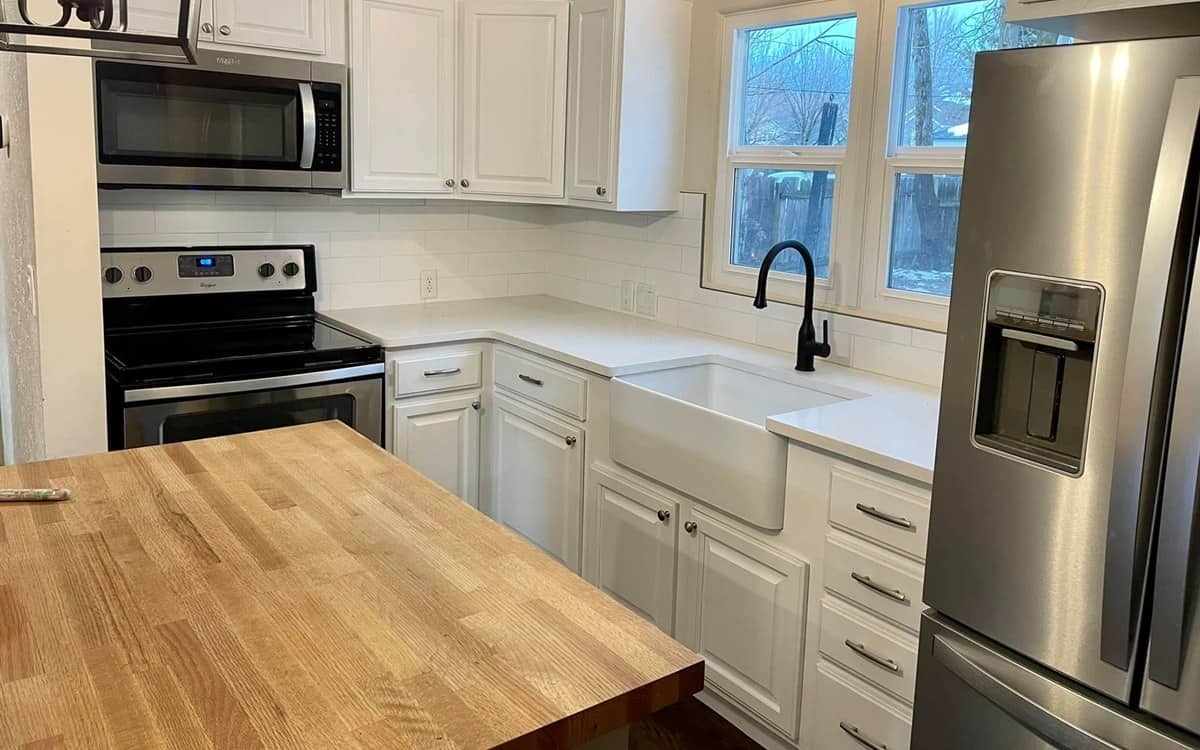
Why Many Caldwell Homeowners Choose Professional Help
After learning what are common cabinet painting mistakes, many homeowners realize the time, tools, and expertise required exceed what they expected. Cabinet painting mistakes to avoid aren’t complicated—but avoiding them all requires experience.
A professional house painter brings:
The cost difference between DIY and professional work often narrows when you factor in paint, primer, tools, and the value of your time. And if DIY cabinet painting problems force a redo, professional help would have cost less from the start.
Your Cabinets Deserve Better Than Guesswork
You’ve invested in your Caldwell home. Your kitchen cabinets impact how you feel every time you walk into the room. A failed paint job creates frustration. A quality paint job creates pride.
If you’re weighing your options, or if you’ve already experienced common cabinet painting errors and need help fixing them, a conversation costs nothing.
Call Lagunas Painting at208-943-2873 today. Ask questions. Get a straight answer about what your cabinets need. No pressure, no gimmicks—just honest information from people who do this work every day.